Are Classical Musicians Chasing Careers They Don't Actually Want?
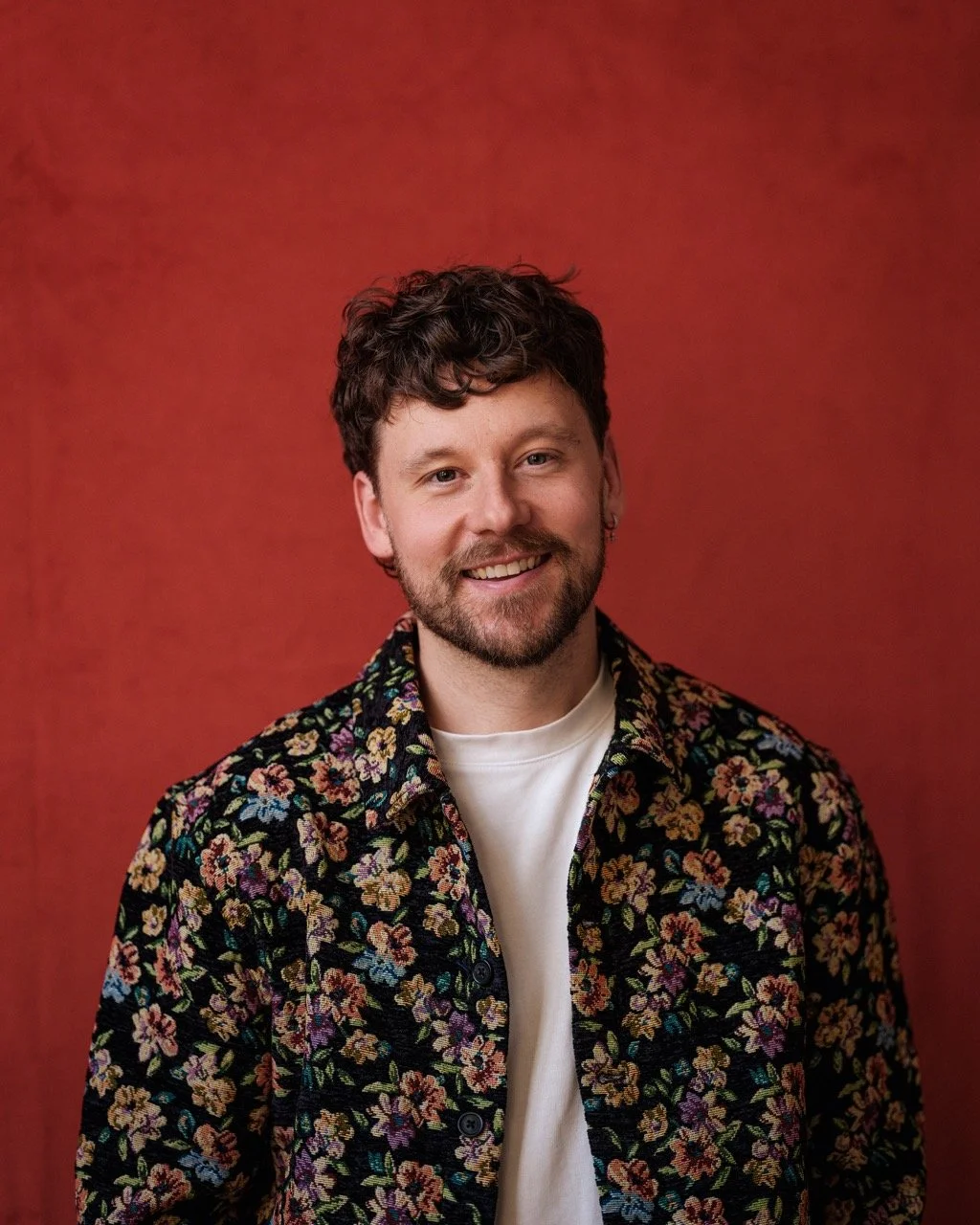
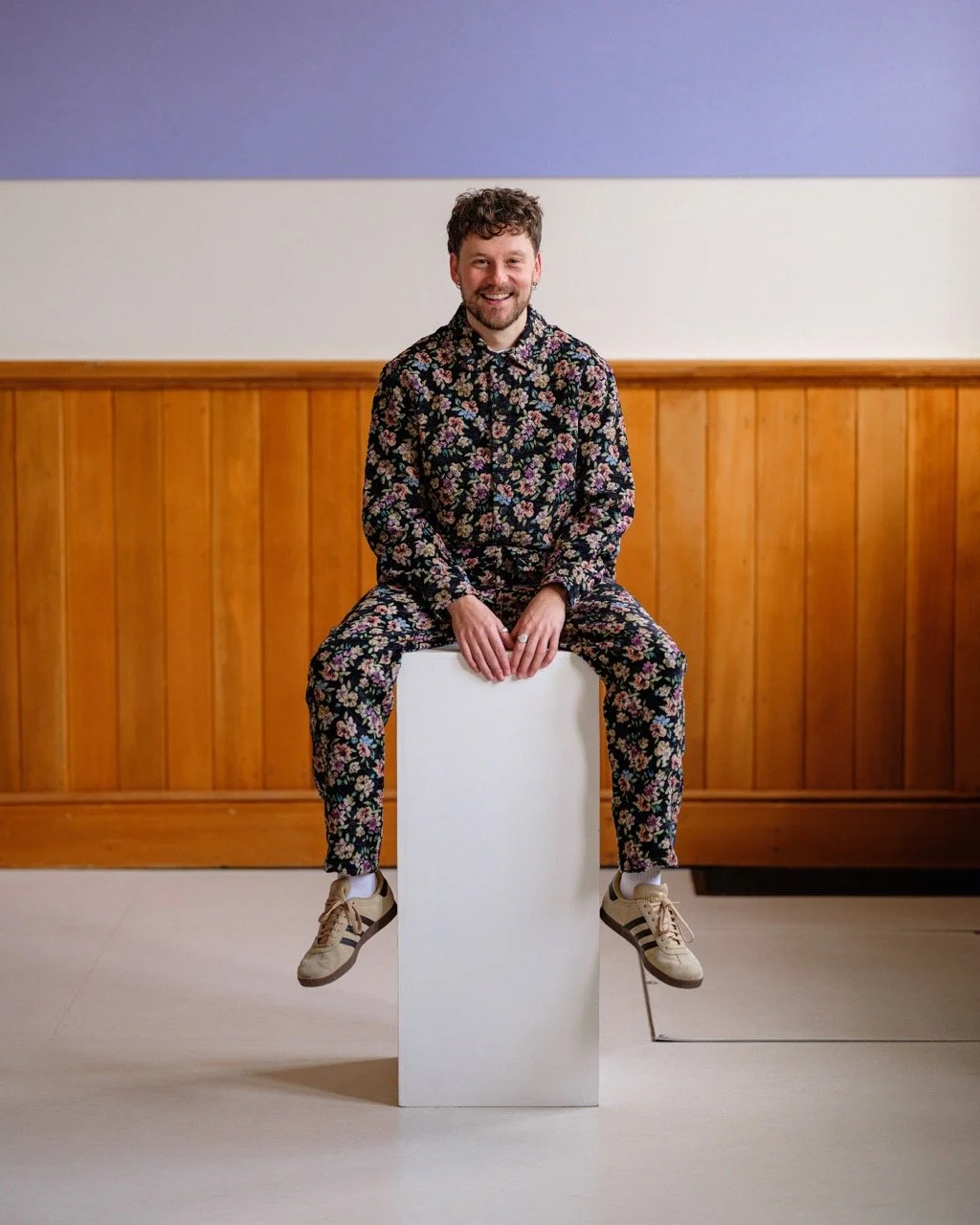
Opera singer and coach-mentor Ben Knight explores the unspoken definition of success that exists within the world of classical music, and discusses how to have the courage to choose the one that genuinely fits you, rather than the one you’ve quietly inherited.
This is part of our ‘honest comments from musicians’ series, which covers topics such as performance anxiety, mental health struggles, the challenges of finding a job, and “I’m a classical music enthusiast but…”.
If you enjoy our content, you can buy us a coffee, join our mailing list or send our site to a friend. Thank you!
For a long time, I viewed every audition that didn't lead anywhere, every opportunity that slipped away, and every unexpected detour as evidence that I was somehow falling behind. Now, I wonder whether those moments weren't setbacks at all. Perhaps they were invitations to build a career that actually fitted me.
I remember sitting on the "singers' table" at the Royal Academy of Music, surrounded by conversations that seemed so certain. People talked about Young Artist Programmes they wanted to get into, Glyndebourne auditions (this one used to do my head in), and competitions they were preparing for. Everyone appeared to know what success looked like. I nodded along, but quietly wondered why I didn't feel the same certainty.
At the time, I assumed something was wrong with me. Surely, if I was serious enough, talented enough or ambitious enough, I would want exactly the same things as everyone else. So I kept going. I practised. I auditioned. I chased opportunities. I followed the path I believed I was supposed to follow.
It took me almost ten years to realise an uncomfortable truth.
I wasn't chasing my career.
I was chasing a career I had inherited.
“Classical music has an unspoken definition of success. Nobody hands it to you on your first day at conservatoire, but somehow everyone seems to absorb it.”
Classical music has an unspoken definition of success. Nobody hands it to you on your first day at conservatoire, but somehow everyone seems to absorb it: train at the best institution you can, win the competitions, secure an agent, join a Young Artist Programme, build an international performing career. Everything else quietly becomes secondary. Of course, there is nothing inherently wrong with this path. For many musicians, it is exactly the life they want, and I have enormous admiration for those who pursue it with passion and conviction. The problem is not that this version of success exists. The problem is that many of us never stop to ask whether it is actually ours.
We inherit it from teachers who celebrate certain milestones because that's what they know. We inherit it from conservatoires that, understandably, prepare students for the traditional performing pathway. We inherit it from biographies, competitions, social media, and the stories we tell about the people who have "made it". Eventually, that definition becomes so familiar that we mistake it for our own.
Looking back, I don't think I ever asked myself a much more important question:
What kind of life do I want music to help me build?
Instead, I asked the questions I had learnt from everyone around me. How do I become better? How do I get more work? How do I get the next opportunity? How do I become successful? Those questions kept me moving, but they never encouraged me to stop and ask whether I was heading in the right direction.
Ironically, one of the most significant moments in my career didn't happen on a stage. It happened behind a bar. To help pay my way through my studies, I worked in the Royal Academy's café and bar. One day, I got chatting to Julian West, who worked in the Academy's Learning & Participation department. Through that conversation, he invited me to become involved in an education project with English National Opera.
At the time, I saw it as an interesting opportunity alongside my singing. Looking back, it changed everything. For the first time, I experienced music not only as performance, but as connection. I saw how music could build confidence, bring communities together, and create experiences that mattered far beyond the concert hall. I didn't know it then, but that conversation behind a bar would shape my career far more than many of the auditions I obsessed over.
Follow us on Instagram @alterclassical
The turning point, though, didn't arrive dramatically. There wasn't one career crisis that forced me to rethink everything. Instead, I began noticing something about the moments I enjoyed most. Yes, I loved performing. I still do. But I also loved teaching. I loved facilitating workshops. I loved helping other musicians navigate challenges I had experienced myself. I loved conversations about identity, confidence and career direction as much as I loved conversations about repertoire.
Gradually, a difficult realisation emerged. The parts of my work that gave me the greatest sense of purpose weren't the ones I had spent years believing would define my career. For a while, I resisted that thought. Admitting it felt almost like admitting failure. After all, hadn't I spent years training to become an opera singer? Wasn't this the dream?
But perhaps the dream had never really been mine.
Or perhaps that's not quite true.
Perhaps performing was part of the dream. It just wasn't the whole dream.
I had spent years believing that one career had to satisfy every part of who I was. When it didn't, I assumed something was wrong with me. Now I wonder if the problem was the expectation, not the career.
I don't think this experience is unique. As musicians, we spend years refining our technique, our interpretation and our artistry. Yet very few of us are ever encouraged to design our careers with the same level of intention. We learn how to prepare auditions, but we rarely ask ourselves questions like:
What kind of weekly life would fulfil me?
How important is stability to me?
What role do relationships, family and community play in the career I want?
Do I enjoy travelling constantly?
Would I rather perform 120 nights a year, or combine performing with teaching, directing, facilitating or leading creative projects?
If nobody else were watching, what would success actually look like?
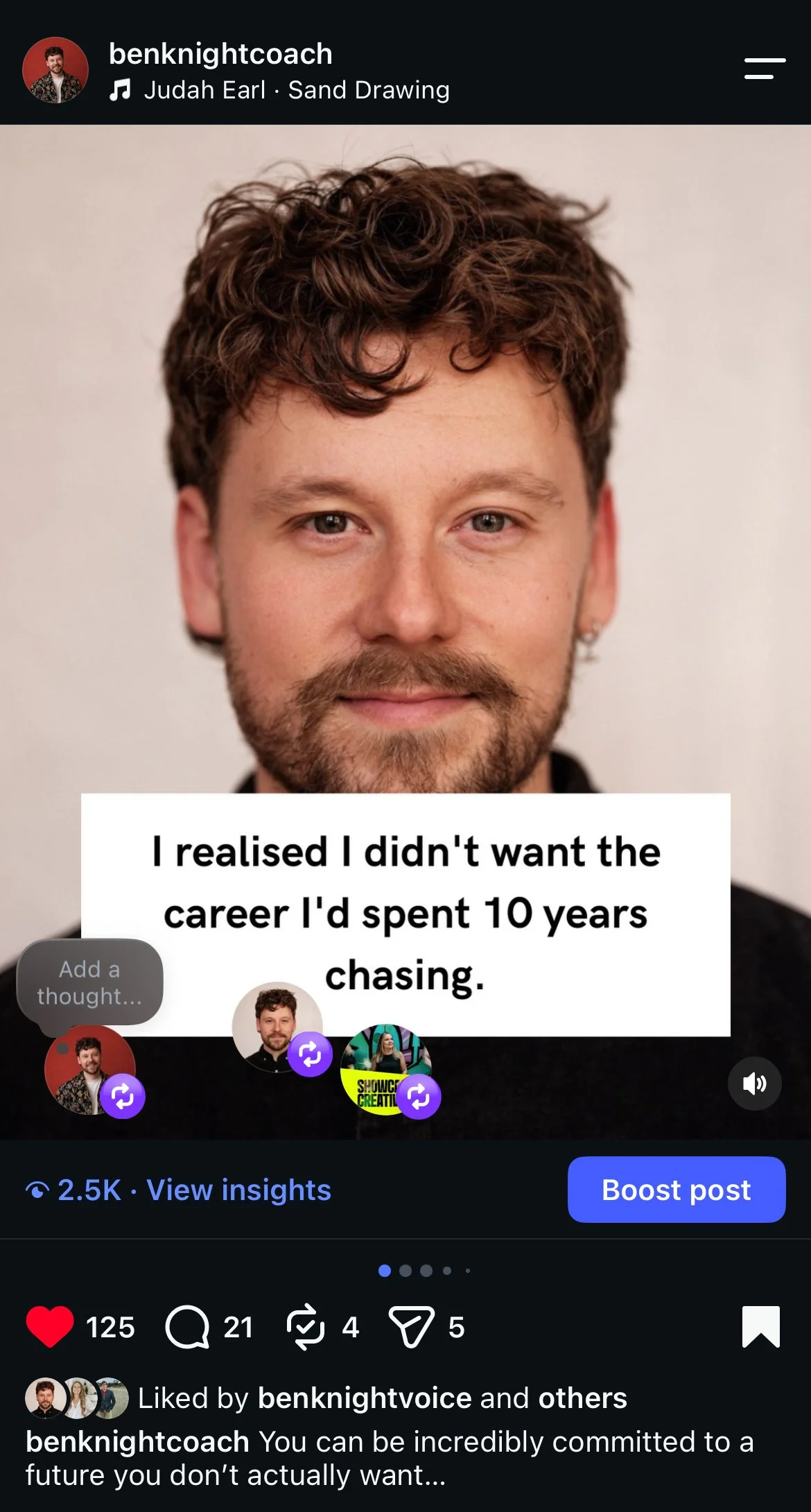
Perhaps if we asked those questions sooner, more musicians would discover that there isn't one legitimate way to build a meaningful career. Instead, we often inherit a narrative that says diversification is what you do when performing doesn't work out. I've come to believe the opposite: diversification isn't necessarily Plan B. Sometimes it's Plan A. Not because you've given up on music, but because you've become more honest about what you want your life to look like.
Today, I still perform. Opera remains an important part of who I am, but I no longer expect it to satisfy every part of my identity. Alongside performing, I coach musicians, facilitate workshops and help others build careers that feel sustainable, meaningful and aligned with who they are. Ironically, I feel more like a musician now than I did when I was trying hardest to become one.
Perhaps because I'm no longer performing somebody else's version of success, I'm building my own. And here's the irony: for years, I thought my career hadn't gone to plan. Now I realise it simply didn't go according to the plan I'd inherited.
Thank goodness.
Perhaps the greatest privilege of a career in music is that there isn't only one way to build it. Some musicians will find everything they are looking for on the opera stage. Others will discover fulfilment in chamber music, education, composing, conducting, arts leadership, coaching, community work, or a portfolio career that combines many different strands.
None of these paths is more or less legitimate than another. The challenge is having the courage to choose the one that genuinely fits you, rather than the one you've quietly inherited. Because perhaps success isn't about becoming the musician you thought you were supposed to be. Perhaps it's about becoming the musician you actually are.
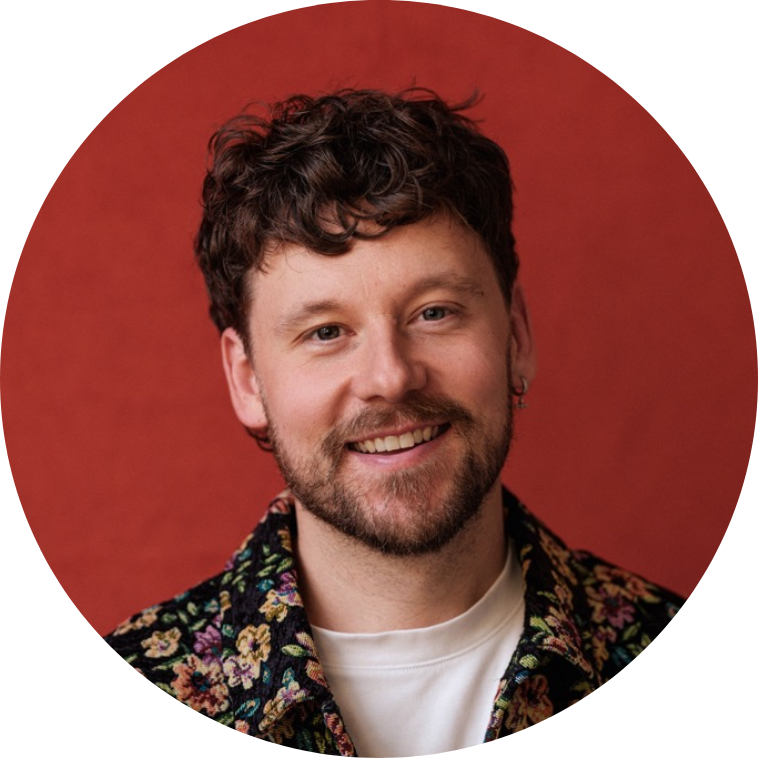
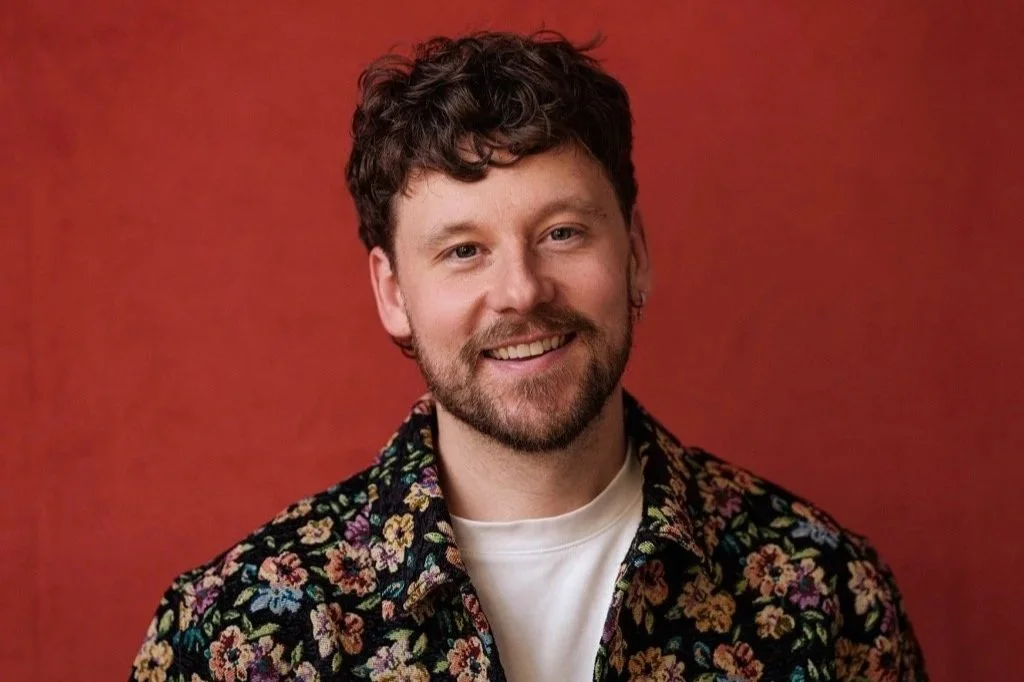
Ben Knight is an opera singer, EMCC Accredited Career Development Coach for Musicians, educator and founder of Recit. Alongside his performing career, he helps musicians build careers with greater clarity, confidence and sustainability. He has worked with organisations including English National Opera, the Royal Ballet and Opera, New Zealand Opera and the Guildhall School of Music & Drama, and currently serves as Development Coach for the New Zealand Opera School and Resilience Coach for TANZOS.
Tamsin Waley-Cohen discusses the myth of “bouncing back” after having a baby.