Once a Musician, Always a Musician?
Should you become a professional musician or instead choose a more straightforward day job and keep music as a hobby? Author and musician Caroline Swinburne interviews people who decided against a professional career in music, including a clarinettist who made the semi-finals of the BBC Young Musician of the Year competition, to find out more about their decision. She explores the topic further in her new novel Khrushchev’s Piano, publishing on 28th November 2026.
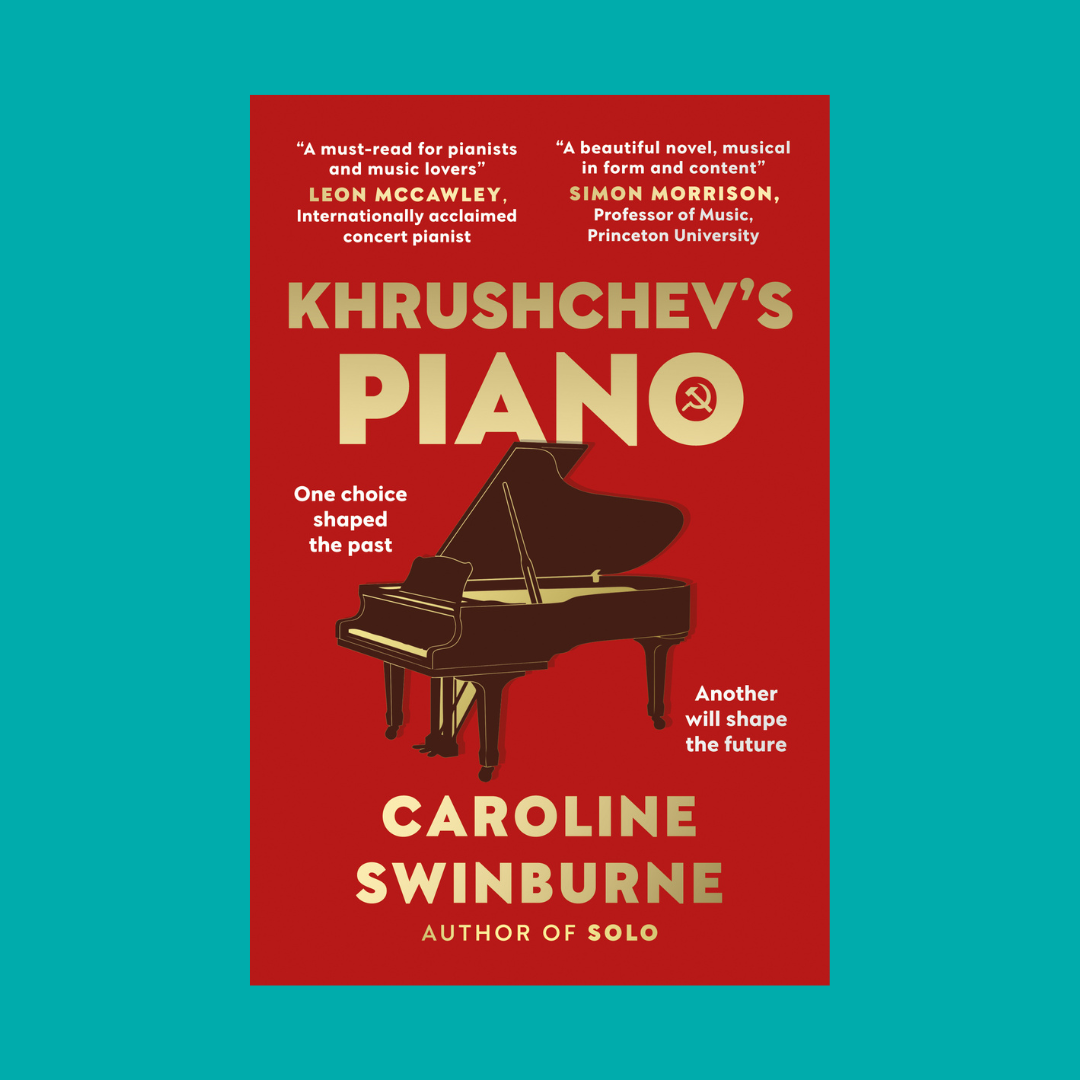
Khrushchev’s Piano by Caroline Swinburne is out on 28th November 2026
Should you risk all to make your love your livelihood as a professional musician? Or opt for a more straightforward day job and enjoy music as an amateur without all the stress? That’s the dilemma facing Anna, one of the characters in my novel Khrushchev’s Piano.
As a child, Anna was a talented pianist and everyone assumed she would make music her career, but as she reached her late teens she began to have doubts. She knew rather too much about the reality of life as a professional musician, and the precarious nature of a performing career. Not only had her father Paul been a successful concert pianist before turning to teaching, but her grandmother Evie was once, briefly, one of the most famous musicians on the planet after taking part in a piano competition in 1960s Soviet Moscow, only to have her stellar career curtailed soon afterwards, after an accident left her unable to play.
By the time of the present-day strand of the novel, we reencounter Evie as a disabled and impoverished old lady living in a failing care home and reflecting on a lifetime of mistakes. Paul’s career has also hit the buffers; the financial uncertainty, travel and irregular hours which are the lot of a performing musician proved incompatible with caring for not only his mother, but also his wife Susan, who has MS. He has been forced to leave the stage to take a job as a school Head of Music - a compromise which does at least provide him with a regular, if modest, salary.
For Anna, the lessons of her family history are hard to ignore; she turns down a scholarship to music college in order to study law at university and is about to start a prestigious traineeship when the story opens.
Not everyone has as colourful a family history as my character, but most of us know an “Anna” - someone who was once a highly talented musician but has decided, for reasons of finance, lifestyle or a conflicting vocation, that the lot of a professional performer is not for them.
But for someone who has played or sung at a high level from an early age, how do they reconcile stepping away from a career for which they may have spent much of their childhood preparing? Music has often become an integral part of their identity, and it is far from easy to work out what place it will have in their future lives.
Anke Batty, once a highly talented clarinettist and now a lawyer
In researching the novel, I heard the stories of people such as Anke Batty - once a highly talented clarinettist who studied with top teachers, played with the National Youth Orchestra and reached the semi-final of the BBC Young Musician of the Year competition. When it came to career choices, playing professionally was a clear option, but like my character, Batty started to have doubts about committing to music professionally. ‘I thrive on structure,’ she explains. ‘[And I knew that] as a musician, there’s not much stability. Your life revolves around performances in the evening and weekends, and a lot of travel. Also, a lot of musicians are freelance, and they don't have the protections that you have as an employed person.’
Even so, it was hard to abandon thoughts of making a career out of doing what she loved most. Even after enrolling for a law degree at Oxford University, Batty was still conflicted - not least as during her first year, she was also competing in the BBC Young Musician of the Year competition.
Batty resolved to treat the situation as a “life-fate test”. ‘I decided that if I got as far as the finals of the competition, then I would quit Oxford and go to music college,’ she says. ‘But if I didn’t get through to the finals, then I would settle down and focus on my law studies.’ When she was eliminated in the semi-final it was almost a relief. ‘It took a lot of the pressure off because then the decision was made for me.’
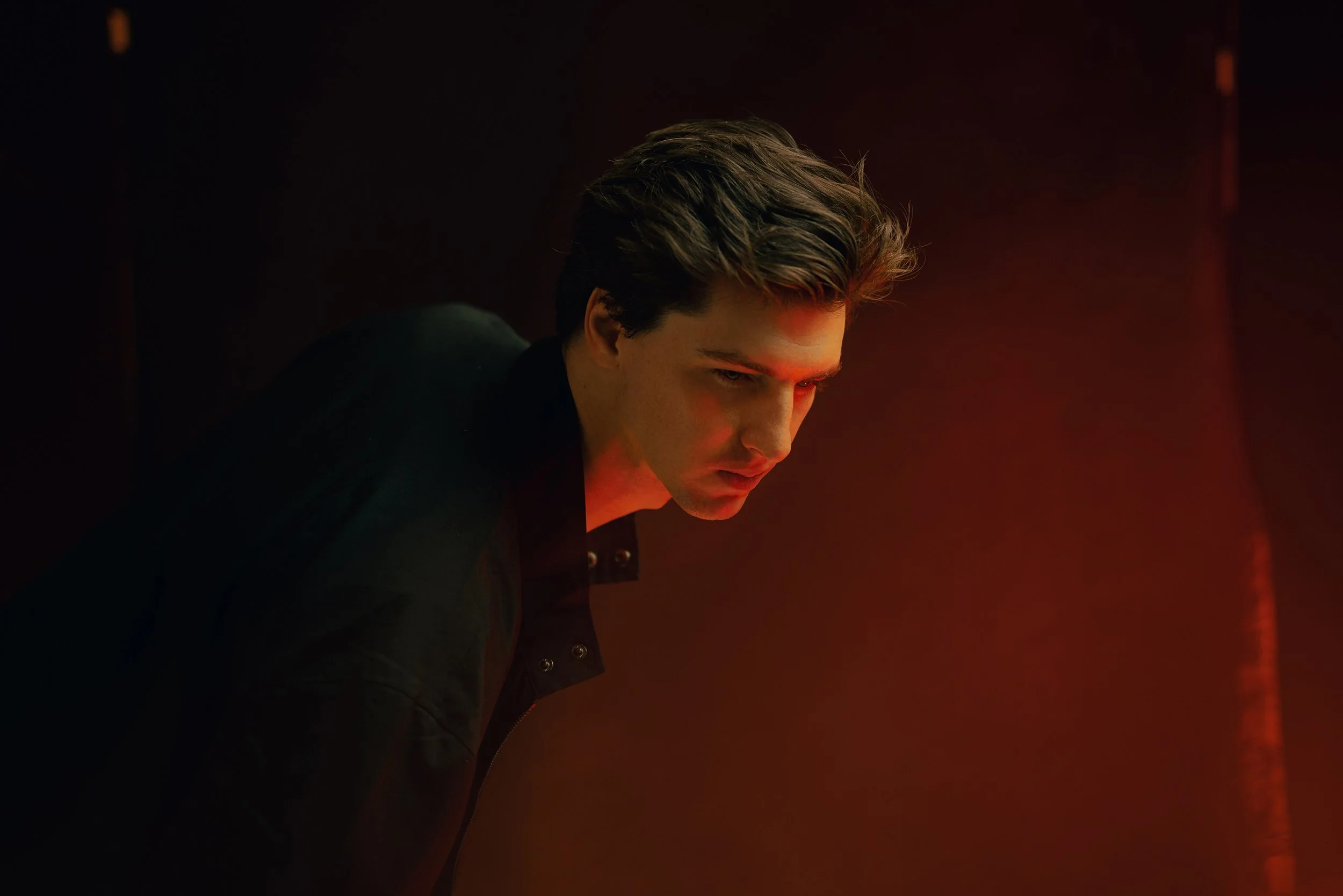
John Clapham’s young life also revolved around music; as a child, he was a chorister at Westminster Cathedral, and then a choral scholar at Ampleforth College, and loved the life. ‘You’re having fun with awesome people and making lots of friends,’ he says. ‘You’re also working with adult professionals whilst you're still a child. I can’t think of any other area of life where you get to do that.’
Clapham later studied music at St John’s College, Cambridge, where he was also a choral scholar, and after graduating, sang professionally with a variety of choirs in the UK and abroad. But although he loved performing, he started to become frustrated by the lack of a clear career path. ‘I’m the sort of person that likes to have clear goals,’ he explains. ‘I’m happy to put the work in if I know where I’m going. But as any musician will know, there is a large element of luck to making a successful career as a performer. Sometimes it’s just a question of being in the right place at the right time and something just falls into your lap, but other times you can work really, really hard on something and it won't necessarily guarantee you success.’
Clapham knew that music would always play a big part in his life, but he started to wonder whether it had to be his day job. ‘I had a bit of a re-think and decided that I might be better off doing things the other way around,’ he says. ‘There were lots of jobs I thought I might find interesting, so I started to wonder if I could do a non-musical professional job and still keep the music going as my passion.’ Clapham enrolled on a law conversion course and is now happy in his job as a private client lawyer and associate at Macfarlanes while continuing to sing as an amateur in his spare time.

Andrew Burnham, 78, a retired Catholic priest and former Church of England bishop, also struggled to decide which path to follow. For him, it was not an issue with lifestyle, or worries about financial stability, but a sense of a conflicting vocation which had been with him from his earliest days. ‘As a boy I had two fixations,’ he recalls. ‘One was with the church, which I grew up with, and the other was music, which I was good at.’
Burnham had a childhood steeped in music; he played the piano and sang as a chorister at Southwell Minster. After school, he read music at New College in Oxford and then studied for a second degree in theology. Unsure of his future path, he accepted a job as a secondary school Head of Music, while also working as church organist and conducting local choral societies. He studied for the ministry and became a non-stipendiary priest, while continuing to earn his living as a musician. Even when he eventually became a full-time priest, he still found time for music and remembers appearing as a conductor while wearing a dog collar.
But after being ordained a bishop, there was an inevitable change of emphasis. ‘I think I just referred back to the struggle that I had at school as to which I was going to do and I just saw the balance changing,’ he explains.
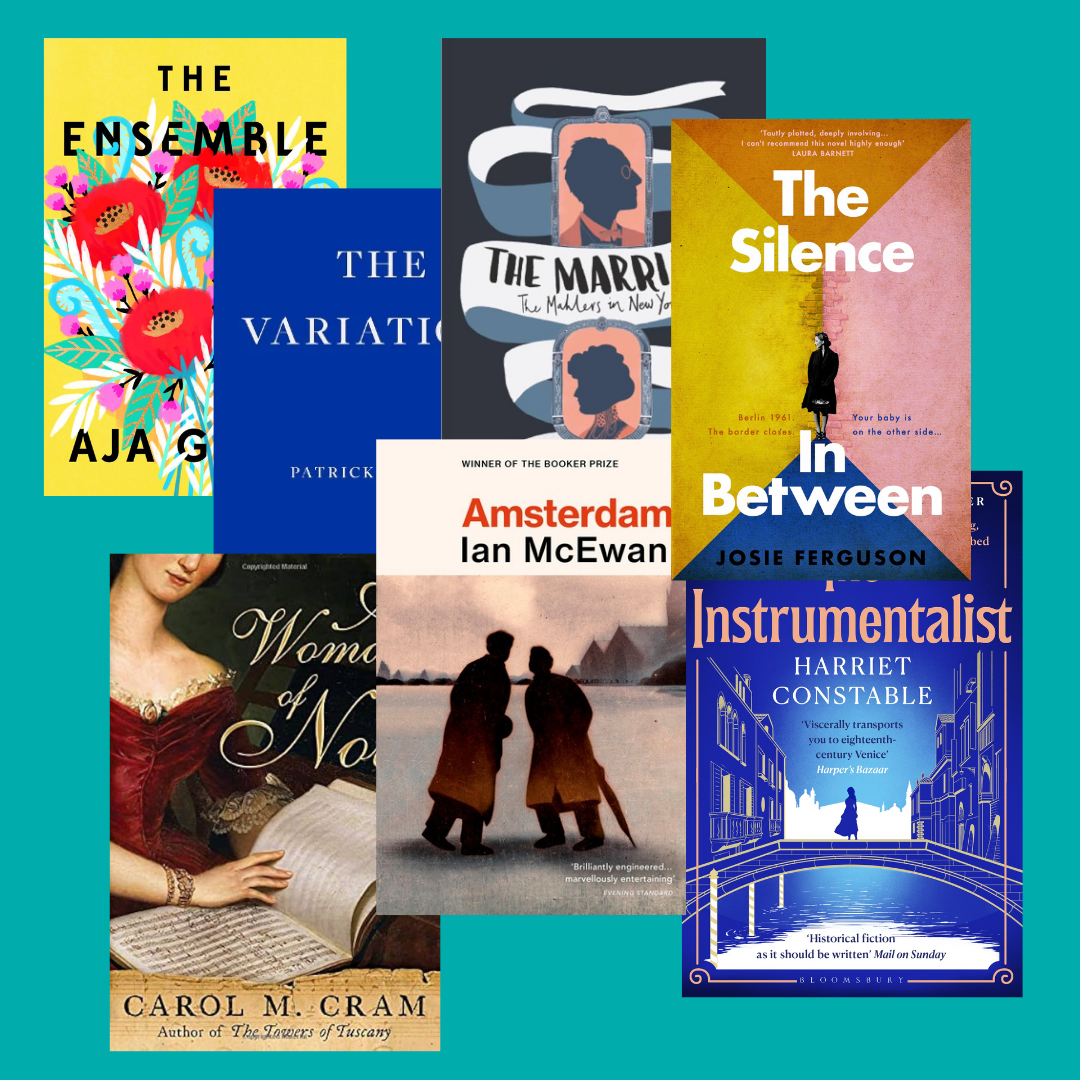
Visit our online bookshop to find a novel with a classical music theme. Buying from Bookshop.org supports both Alternative Classical and local, independent bookshops.
But anyone who has played or sung at a high level rarely abandons music completely; even if people stop for a while, the passion normally returns in later life. In retirement, Burnham enjoys playing the organ at services and for weddings, while Anke Batty, who now works as a solicitor specialising in medical negligence, enjoys performing with amateur orchestras when time permits and the opportunity arises. ‘It is far less pressurised than playing professionally,’ she says. ‘Even with NYO, most people were gearing up for a professional career, so there was always competition, and a lot of stress when there was a concert. And for me that's not what music is or should be about.’
John Clapham agrees that in some ways, amateur music-making is more enjoyable. ‘As an amateur musician, you're not worrying about paying the mortgage. So, you're not always thinking “I’ve got to really make sure I'm really on it today”. Instead, you can relax and enjoy.’
However, the inevitable downside is that the standard is lower than with a professional choir. ‘There are aspects of the quality that I do miss,’ says Clapham. ‘There is something very fulfilling about being involved with [music at a top professional level], and I don’t get that anymore. But I think you can scratch that itch in other ways. For me, I'm a big listener of music, and I get lots of enjoyment from listening.’
So, how about identity? Would Clapham still describe himself as a “musician”? ‘I wouldn’t introduce myself as that in the first instance anymore, because people would think I meant that that was what I did for my career. But - for instance, I'm a big cricket fan [and so might, in the right context, describe myself as] a “cricketer”. It's not a direct comparison, but I do feel like you can identify as something without needing to do it professionally.’
“When I think about all the time I spent on music as a child - it must have been tens of thousands of hours - I sometimes worry, have I thrown it all away? ”
Anke Batty agrees that many people juggle different roles at different times of life. ‘I’ve recently become a mother and that’s rather taken over. And when I’ve dropped my daughter at nursery and I switch on the computer, then I'm a lawyer. But when I sit down at the piano and relax and play some Debussy, it all comes back to me - and I'm completely a “musician”. When I think about all the time I spent on music as a child - it must have been tens of thousands of hours - I sometimes worry, have I thrown it all away? But then I tell myself no, of course not. It's not as if I can't play anymore. It's just that you hit different seasons of your life.’
No spoilers, but suffice to say that in the course of the novel, fate intervenes. Anna’s plans, both personal and professional, are thrown into the air and she discovers, as all my real-life interviewees have discovered, that once a musician, always a musician.
Khrushchev’s Piano by Caroline Swinburne will be published by The Book Guild on November 28th 2026. The paperback is available to buy on Bookshop.org or Waterstones (both affiliate links). We have a full musical bookshop on Bookshop.org, stocked with novels with a classical music theme. Buying from Bookshop.org supports both Alternative Classical and independent bookshops.
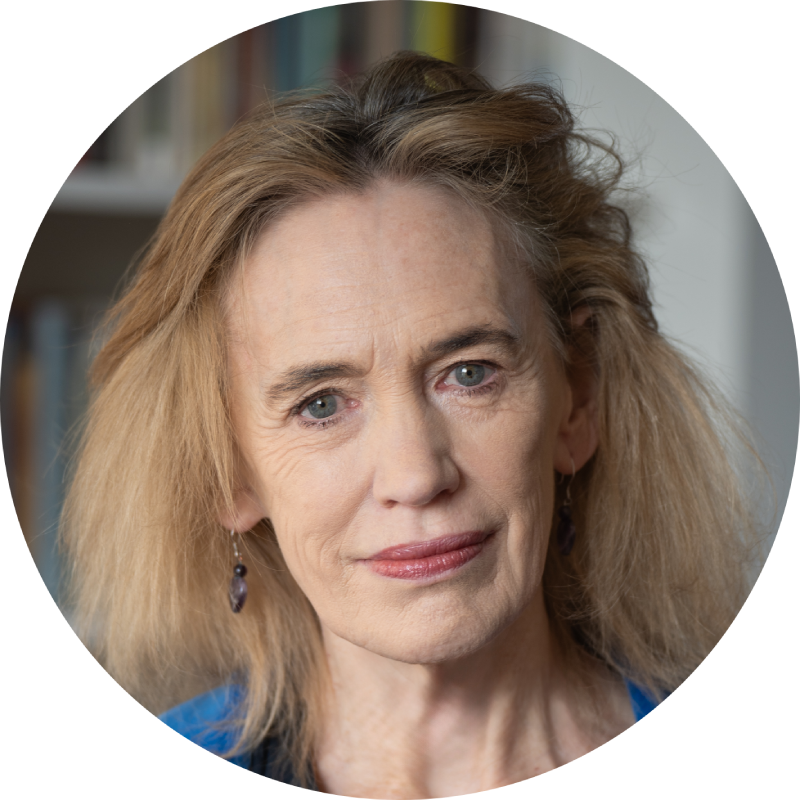
Caroline Swinburne originally studied music and joined the BBC aiming to work for Radio 3 but became side-tracked by speech radio. For over two decades she worked as a reporter and producer making features about the developing world. Following the birth of her two sons, she re-trained as a music therapist and—originally a French horn player—became obsessed with the piano. She now runs a successful teaching practice in south-east London, as well as writing music-themed fiction.
Upcoming events…
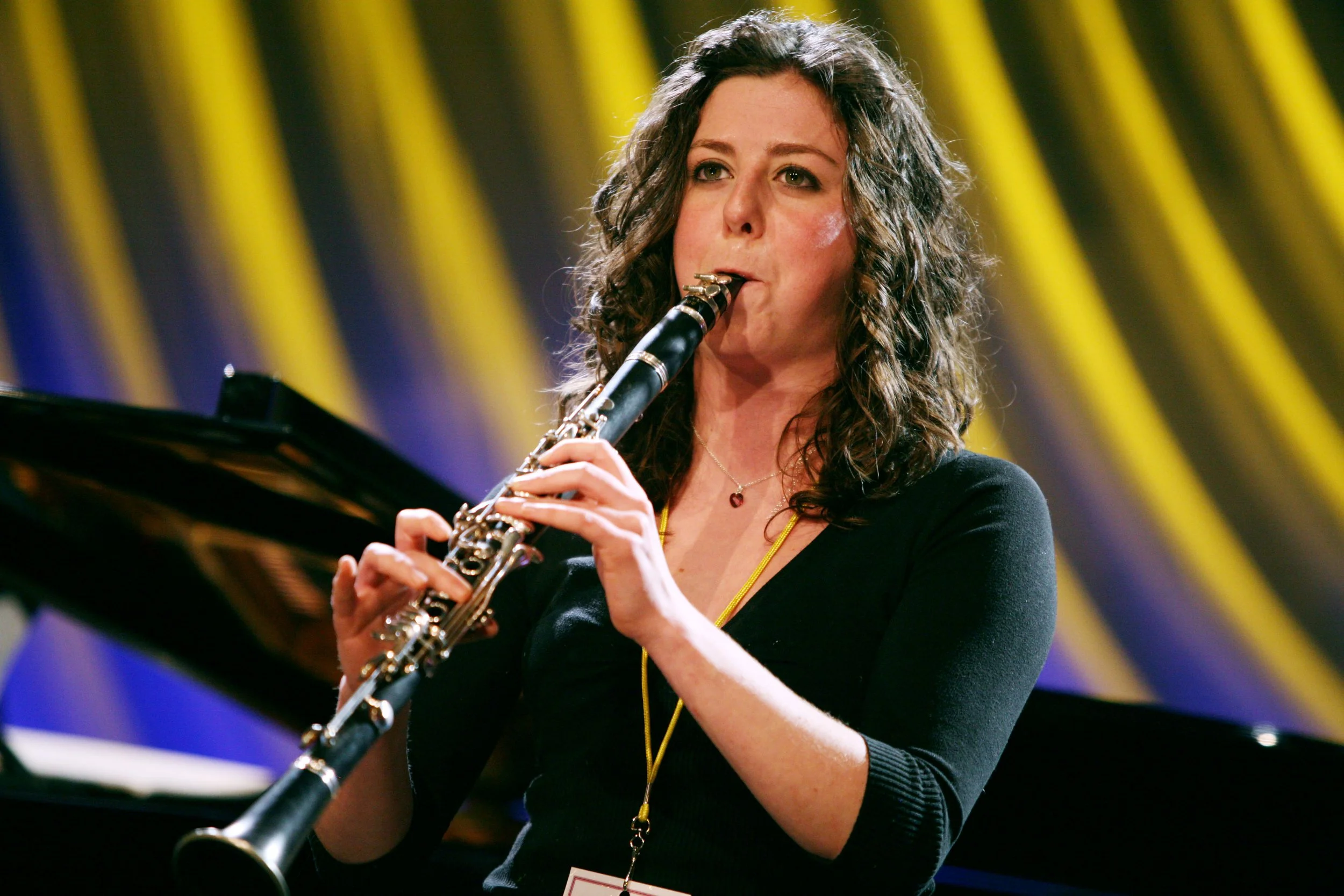
Tamsin Waley-Cohen discusses the myth of “bouncing back” after having a baby.