14 Pieces of Choral Music for 40 Voices
Writing for 40 independent voices has challenged and inspired composers for more than 450 years. From Alessandro Striggio's pioneering motets and Tallis's iconic Spem in alium to contemporary works that reimagine the tradition, these extraordinary compositions showcase the remarkable possibilities of large-scale choral writing. If you’re based in the UK, you can hear three of these works – including a world premiere – performed in a single night in either Birmingham (18 October) or London (22 October).
In 40 Parts (ad)
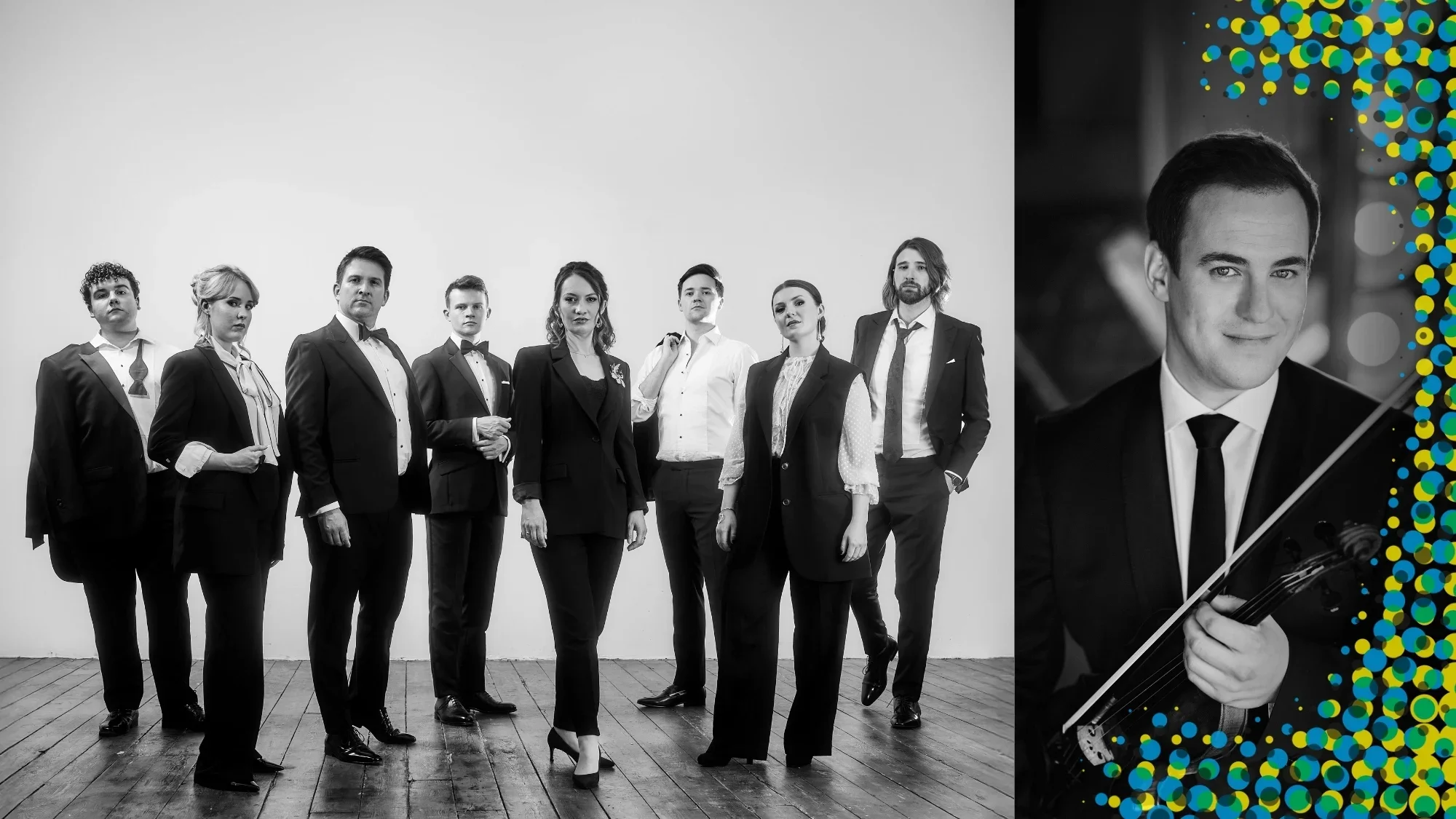
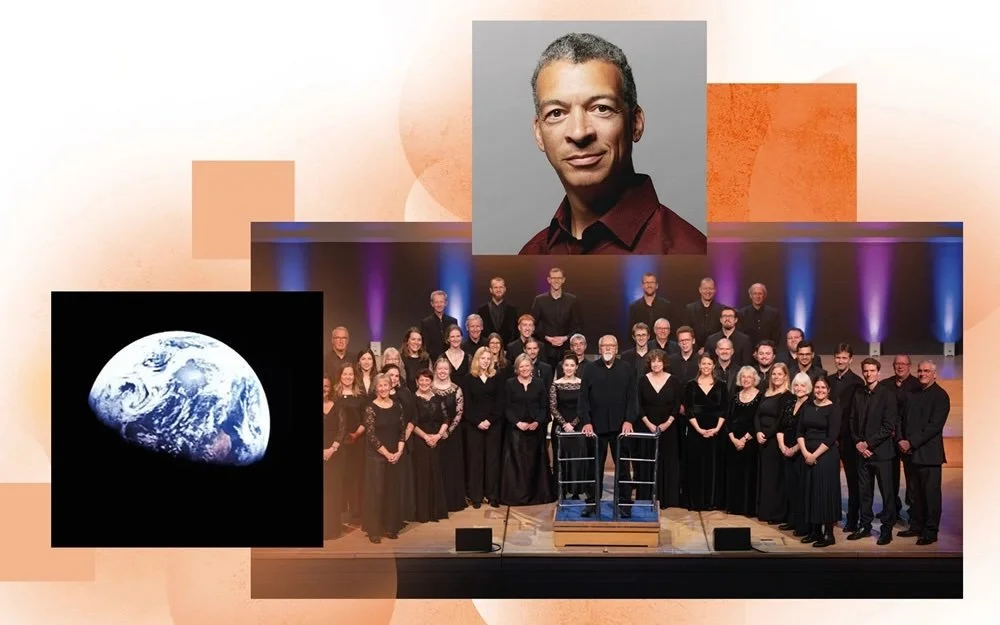
This autumn Ex Cathedra performs a concert of soaring choral music in 40 parts in Birmingham (18 October) and London (22 October). including a world premiere performance by Roderick Williams.

The Wilderness
Roderick Williams (2026)
8 mixed choirs (SATBarB each)
The Wilderness is an exciting new work by Roderick Williams. It looks to the future, as well as the past, painting a picture of the urban wilderness that is home to many people living on the margins of society. The composer says "from my comfortable, privileged viewpoint as I tour many of the world’s most glamorous and wealthy cities as part of my career, I see many, many people whom that wealth and glamour have passed right by. We exist together in the same space but our experience of the city could not be more different. I write this piece in all humility for them."
Hear it premiered by Ex Cathedra in Birmingham or London this October (ad) >>

Spem in alium
Thomas Tallis (1570)
8 mixed choirs (SATBarB each)
Spem in alium is a 40-part Renaissance motet by Thomas Tallis, composed for eight choirs of five voices each, it is considered by some critics to be the greatest piece of English early music. H. B. Collins described it in 1929 as Tallis's "crowning achievement", along with his Lamentations.
Hear it performed live by Ex Cathedra in Birmingham or London this October (ad) >>

Earthrise
Alec Roth (2009)
Unaccompanied choir in 40 parts (8 SATBB choirs)
The original 40-part version of "Earthrise" was composed using Thomas Tallis’s motet Spem in Alium as a template, and is scored for eight five-part choirs (each comprising SATBarB). In order to make the work accessible for choirs both large and small, this single-choir version is available with a variety of different accompaniments, ranging from piano to full orchestra.
Hear it performed by Ex Cathedra in Birmingham or London this October (ad) >>
Missa sopra Ecco sì beato giorno
Alessandro Striggio (1565-66)
Five separate choirs of 8 voices each
Missa sopra Ecco sì beato giorno is a setting of the Ordinary of the Mass, for 40 and 60 voices. It was lost for more than 400 years, having been miscatalogued in the Bibliothèque nationale de France, but was rediscovered in 2005 by the musicologist Davitt Moroney. The mass is for five separate choirs of eight voices each with the closing Agnus Dei for five choirs of 12 voices.

Ecce beatam lucem
Alessandro Striggio (1561)
40 individual voice parts divided into polychoral groups (e.g. 5 × SATBSATB)
Striggio wrote the now well-known forty-part motet Ecce beatam lucem and travelled across Europe with it - allegedly with all 40 part books strapped to the rear end of a donkey. Striggio’s travels included a visit to England where it is thought that he met Thomas Tallis, who would have almost certainly heard this epic motet. It is widely believed that it was from this piece that Tallis took inspiration for his own 40-part Spem in alium.

Forty-Part Motet
Janet Cardiff (2001)
The Forty-Part Motet is a reworking of Tallis’ Spem in Alium. It uses 40 speakers to project 40 separate voices into a performance space, allowing for the audience to move freely amongst them. What results is an engaging and immersive piece where audiences can choose to hone in on specific voices or stand centrally to experience the piece in its collective entirety.

The Silent Land
Giles Swayne (1996)
Solo cello & 8 five-part choirs (40 voices = SATBarB each)
Swayne’s moving threnody is scored for 40-part chorus and solo cello, combining words from the Requiem Mass and Christina Rossetti’s poetry, while Stabat mater is dedicated to the grieving mothers of Israel and Palestine. It was commissioned by Phyllis Lee for the Choir of Clare College, Cambridge.
I have thee by the hand, O Man
Robin Walker (2003)
In 2003 Walker was commissioned by the Bridgewater Hall in Manchester to write a 40-part choral piece for the Tallis Scholars, to be performed alongside Tallis's Spem in alium. Walker describes his piece as a dialogue between God and Man, with the choir (Man) pleading to God (the initial solo voice) for wisdom and protection. This is a radiant piece and is, in every way, a worthy companion to Tallis's sublime work.

And There Shall Be No Night There
Robert Hanson (2002)
8 mixed choirs (40 voices = SATBarB each)
Like other contemporary composers inspired by Tallis, Hanson sought to create a modern counterpart to the famous 40-part masterpiece using the biblical theme of eternal light. Hanson's music draws on many sources while speaking with a highly personal voice. His interest in Webern, Berg and the post-war avant-garde is connected by a lyrical impulse to other English music, evolving his own methods to incorporate tonality and modality.

Love You Big as the Sky
Peter McGarr (2007)
40-part choir
Peter McGarr was commissioned by the Tallis Festival to write a 40-part companion piece to Thomas Tallis's Spem in alium. The resulting work, Lindisfarne Love Song (also called Love You Big as the Sky) included poems about Lindisfarne (a historic tidal island off the northeast coast of Northumberland), diary notes and the detailed geography of the area including shipwrecks and lighthouses.

Tentatio
Jaakko Mäntyjärvi (2006)
4xSSAATTBB plus an eight-voice baritone chorus
Written as a companion to Tallis’s Spem in alium, Tentatio sets the story of Christ’s temptation in the desert by Satan for the same vocal forces: four eight-part choirs. More homage than imitation, the work explores rich choral scoring and the spatial possibilities of 40 voices. Its dramatic climax is a 40-note cluster where, at the premiere, the baritones earned the affectionate nickname “the Glee Club from Hell.”

Lux orta est iusto
David Bednall (2015)
8 choirs of five voices (SATBarB each)
Lux Orta Es Iusto is a motet in 40 parts composed specifically to be performed alongside Tallis’ Spem in alium. It opens in a luminous explosion of sound, like the sudden appearance of sunlight from a heavy cloud, before an inventive exchange of ideas between each of the eight choirs concluded by a syncopated coda, with Bednall showcasing an imaginative ear for choral textures throughout.

Vidi aquam
James MacMillan (2020)
8 choirs (SSATB)
Vidi aquam is a monumental 40-part a cappella motet, composed as a contemporary companion piece to Thomas Tallis's iconic Spem in alium. It was commissioned by the ORA Singers and directed by Suzi Digby, the nine-minute work is scored for eight five-part choirs and expands upon the Easter sprinkling antiphon.

Sanctum est verum lumen
Gabriel Jackson (2006)
8 x SATBarB
Sanctum est verum lumen was written as a companion piece to Spem in alium to celebrate the Tallis quincentenary. The piece is about light, and the text, though funereal in origin, is radiantly optimistic and invites a variety of ways of evoking that sense of light in music - from gentle luminosity to fiercely dazzling brightness.

Hannah Fiddy is the Founder of Alternative Classical and a freelance marketing consultant, developing audiences for classical music. Described as a "classical innovator" by Classical Whisper, Hannah has created and promoted numerous concerts outside of traditional spaces, including warehouses, pubs, clubs and museums; interviewed some of the world's most famous composers; and guest lectured on innovation in the classical music industry. Hannah has managed the digital marketing for many music organisations and artists including choral composer John Rutter and The King’s Singers. In a past life she founded London Flashmob, producing quirky events from wedding proposals to cultural pranks for up to 1,000 people.