
Against ‘Hustle’: The Radical Reclaiming of Music’s Rest and Play
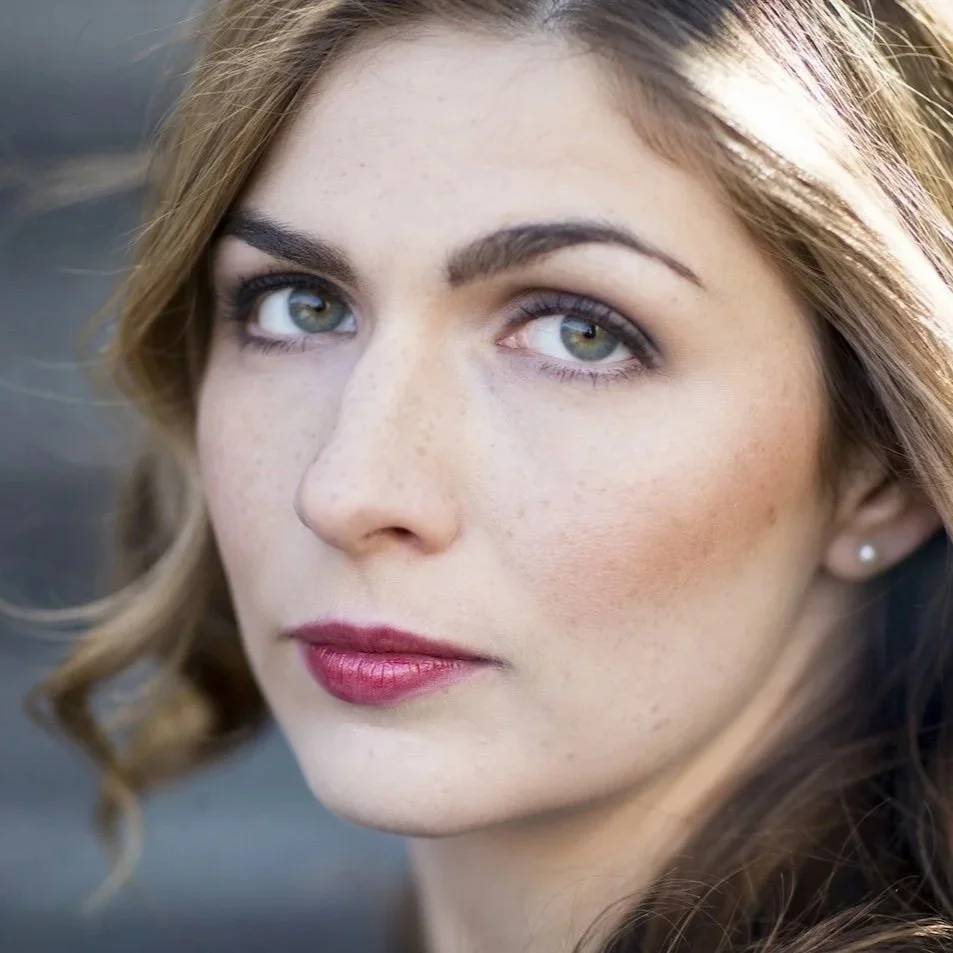
Pianist Cordelia Williams discusses the impact of hustle culture on musicians, and proposes a radical reclaiming of music’s rest and play.
This is part of our ‘honest comments from musicians’ series, which covers topics such as performance anxiety, mental health struggles, the challenges of finding a job, and “I’m a classical music enthusiast but…”.
If you enjoy our content, you can buy us a coffee, join our mailing list or send our site to a friend. Thank you!
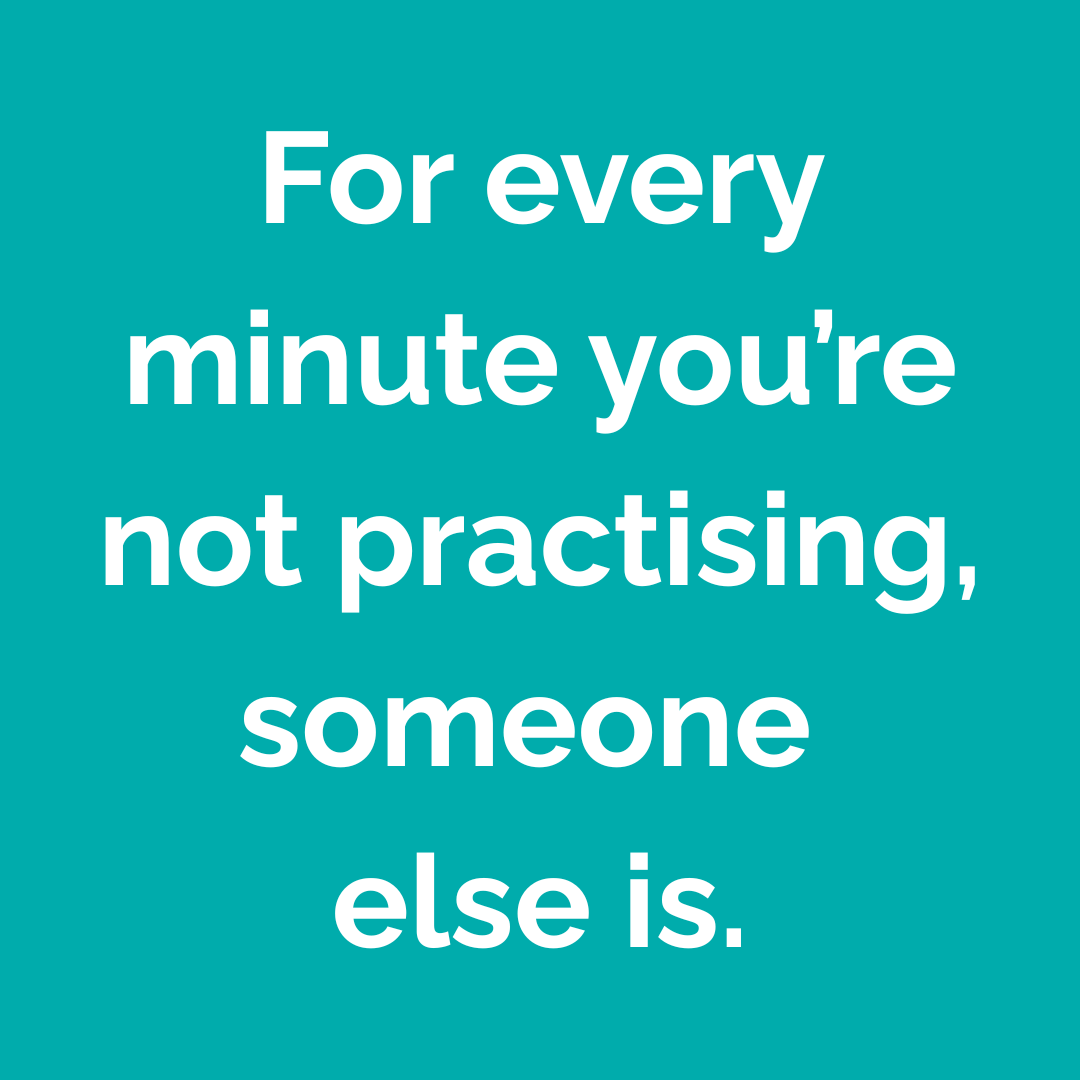
At the Grammys this year, Pharrell Williams’ acceptance speech was telling: “To everyone here, I just gotta tell you, never stop grinding. And listen, never stop working. Stop doing anything else but working. Work, man.” Hearing this took me right back to a saying we were all familiar with at music school, the words taken from a poster, whether real or apocryphal I’m not sure, displayed in the practice halls of the prestigious Juilliard School. "For every minute you’re not practising, someone else is.”
As teenagers we found a black humour in this attitude, but nevertheless the sentiment was formative. Awareness of the fierce competition to succeed as a classical musician – if you were lazy enough to take a day off practice there would always be someone waiting to take your place – haunted my student years and early career. It’s been a long and painful journey to unravel my own efficiency.
Follow us on Instagram @alterclassical
Twenty years later it’s hard for anyone to avoid the rallying cry of the 21st century’s self-optimising, achievement-obsessed hustle culture: empower yourself; follow your dreams; just keep striving. You can do it! Legions of high-performance podcasts, ‘revolutionary’ apps and ‘inspiring’ social media stars have amplified this message of side hustles, 5am workouts, step counting, sleep tracking and self-made tech billionaires working all night. We are machines of productivity – but it’s never quite enough.
This relentless hurry and hustle of our default modern lives, where our being is not sufficient in itself but a product to be maximised, is inherently and destructively anti-musical. Generations of musicians are coming of age searching for music’s beauty, joy and truth in a professional and personal climate which is actively hostile to those very qualities. Our constant busyness and effort is hiding the deepest essence of music-making.
How to define this ‘deepest essence’? There are two qualities which I have come to feel are at the heart of music’s possible transcendence. Firstly, an inner playfulness and delight which allows us all, performers and audience alike, to step outside the purposeful churn of everyday life. Secondly, an open and receptive attention – a total absorption in the music and the moment without regard to intention or result – which seems to have become scarce in modern life. Neither of these transcendent qualities can be “achieved” through hard work but are received patiently over time, and as the music industry is absorbed into the logic of hustle and productivity, the result is a creeping erosion of the special contemplation, ease and joy which should be at its core.
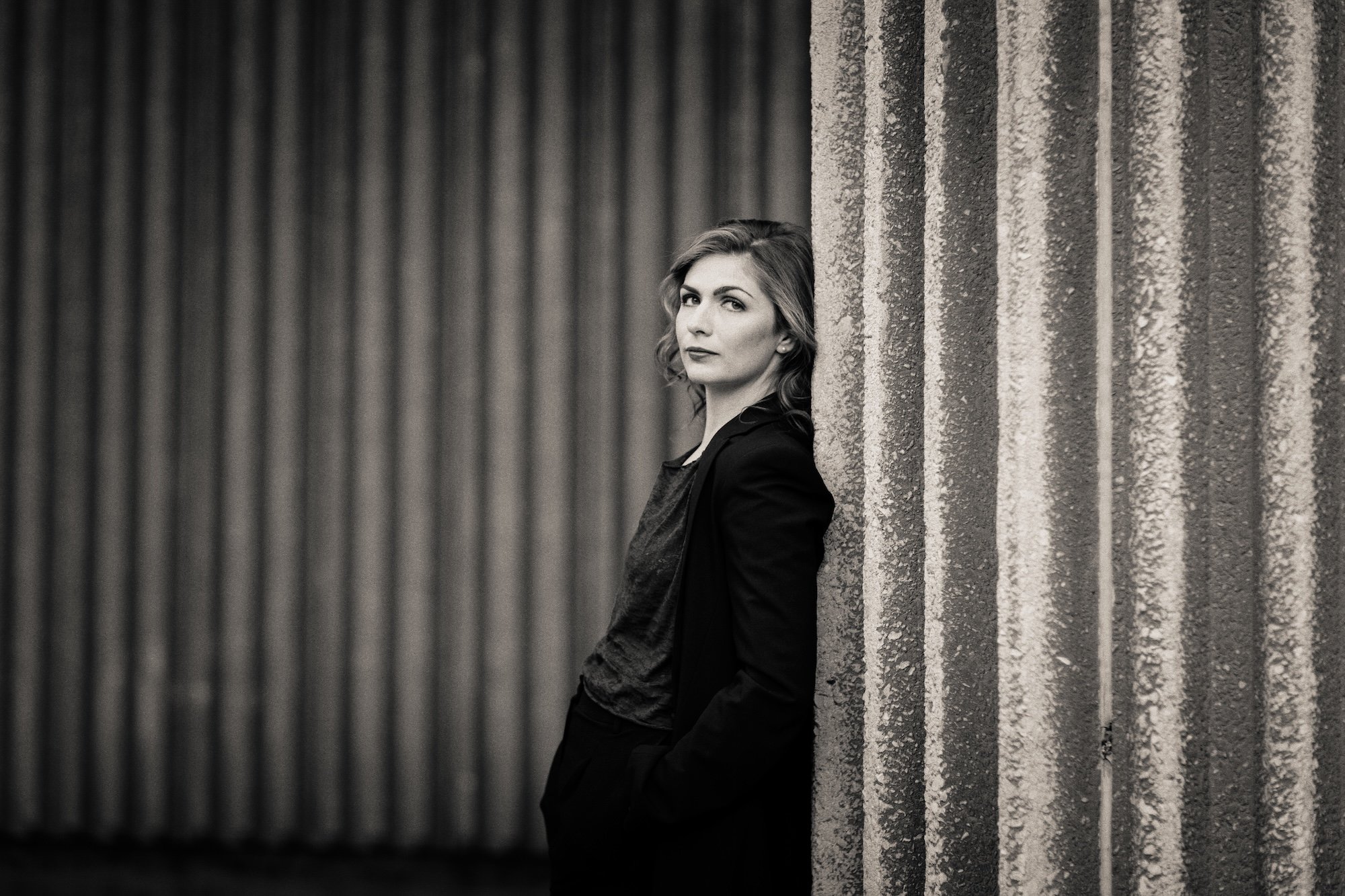
Pianist Cordelia Williams (c) courtesy of artist
Work of musical or artistic depth requires the space to explore the craft open-endedly, to fail and experiment – and crucially to sit metaphorically in the silence, waiting. It takes years of this kind of spacious play (we call it ‘work’ in order to honour the mostly frustrating toil of this creative process, but let’s be honest: it’s play) to discover what one is trying to do as a musician. It is a life-long task of playing; the reward not a fantastic performance but simply full immersion in the moment, a relishing of the instrument and the sound as it comes into being. It cannot be done to a schedule and it is not an efficient use of time. You could almost call it a waste of time – a glorious waste! – and is that excess not in fact the deepest, most joyful meaning of music-making?
Every day in my practice studio (and increasingly in family life too) I attempt simply to pay attention. This is indescribably hard to do! When I started applying this approach to my practice, I was so tired after half an hour that I had to lie down and sleep under the piano. To stop acting on the music by trying to shape it to my will and interpretation, and only to see with clarity and delight what is already within the sound, is contrary to everything we learn in education and life. But when I manage to clear the confusion of my thoughts and ego and experience that simplicity, it is a magical feeling – like flying. Contrary to hustle ideology, ‘non-action’ here is not passivity. Nor is it an emptying out of myself. It is skilled openness to the reality of each moment. I am talking about the highly demanding work of stopping working.
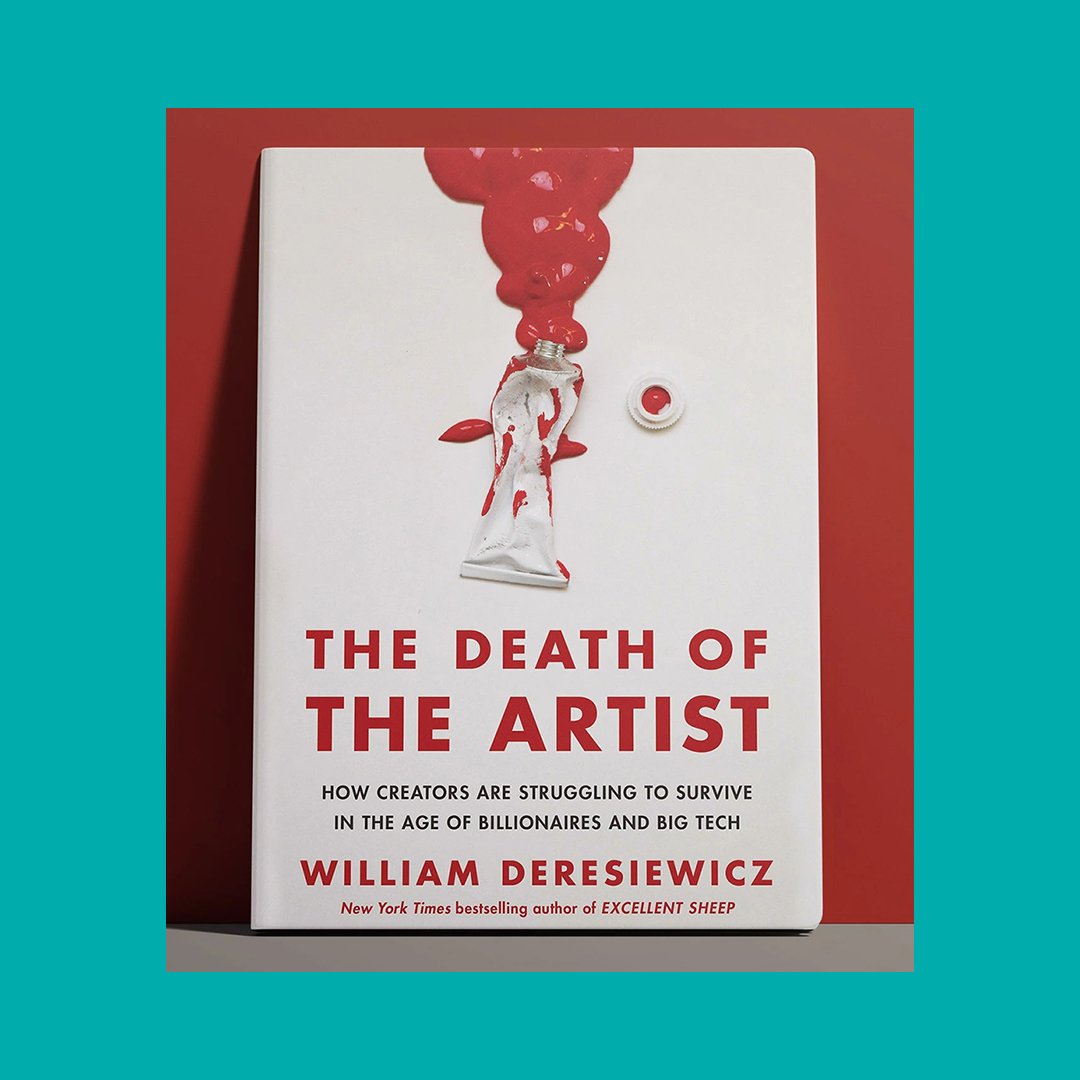
Buy through our Bookshop.org affiliate link
Of course, we must acknowledge honestly that it takes great effort, persistence and enterprise to forge a lasting career as a musician, especially now the economic climate is so inhospitable to the arts. In his book ‘The Death of the Artist’, William Deresiewicz tracks how the social safety nets and middle-class patronage that once subsidized creative risk and incubation have thinned, pushing artists toward relentless self-marketing and production. The 21st century musician is an entrepreneur: in a freelance economy, every minute not working is literally a loss. All of this means that we never really let ourselves rest. Unceasing activity is destructive for the health and life satisfaction of anyone, but busyness is an existential problem for a musician. There is an insoluble paradox here: you need to survive in the market, yet when survival is the horizon, the deep, relaxed ‘exploration without destination’ that produces vibrant art ceases to exist.
I don’t quite remember when my own habits started to change. It was gradual – a disengagement over time. First (with much agonizing and guilt) I stopped doing the ‘search engine optimization’ for my YouTube videos, which I always hated but thought necessary. Then I started checking emails only twice a week and turned off all notifications. A year later I took a sculpture class and was shocked by how rebellious and unfamiliar it felt to do something purely for pleasure: simply to feel the tactile clay in my hands.
After that I went a bit unhinged and started looking for joy and deliciously wasteful time everywhere. I went ambling down the lane to watch ducks crossing the road. I sat in the sunny garden for no reason – in the middle of a working day. I coloured one of my children’s pictures. I played a Tomkins Pavan over and over in the dark, just bathing in the clashing intervals. I sat and drank a cup of tea without multi-tasking. And every week when I went swimming, I stopped swimming and floated, looking up at the sky. Eventually I gave up my smartphone. And gradually I started to learn how to switch off my ‘active’ brain and delight in the playfulness of my hands on the piano keys.
This is clearly not a sustainable full-time approach; it’s not as simple as just ‘working less’, is it?! There’s a delicate balance: I still absolutely chase perfection in my practice and do regularly work very intensely. But this cannot be the whole story. Artists and musicians need to regain comfort within the radical state of désoeuvrement – Maurice Blanchot’s term for a state of being idle: literally ‘un-working’, ‘out of work’, at a loose end.
Against the seemingly all-powerful forces of the market, of commercialism, of the need to succeed in order to survive, we must protect space for play and slowness. We need to rediscover effortlessness and inactivity, not as laziness but as music’s deepest meaning: the polar opposite of relentless grind.
What might this look like in practice? Here are a few initial thoughts.
a) ‘Slow’ infrastructure: generous space within concerts, letting instruments and ears rest; communal bread and wine afterwards; small-venue residencies rather than constant touring.
“Our constant busyness and effort is hiding the deepest essence of music-making”
b) Ritualised inactivity: non-negotiable rests in the musical week e.g. a ‘sabbath’ from posting or absorbing content or analytics; one rehearsal per cycle devoted to tone or breathing with no repertoire goals; scheduled collective quiet before rehearsal or practice; pre-concert rituals that centre ‘open attention’.
c) Effortlessness as spiritual discipline: commit to abundant slow, playful practice; practise to stop ‘acting on the music’ on stage; teach and talk about this explicitly so students don’t mistake strain for depth or busyness for commitment.
d) Patronage revisited: advocate for increased personal patronage and sponsorship of artists (even on small scales) giving the stability and trust to enable risk, exploration and depth in order to share this playful quality with audiences. In contrast with market logic, patronage embodies a gift economy: feast, not product.
I would love to hear any further reflections on the practice of seeking spaciousness within the commercialised music industry. To live by rest, playfulness and attention in the modern world is not naivety; it is a hard choice with real costs. But, for me, it is proving a challenging and exhilarating reclamation of the musician’s true vocation.
Cordelia Williams performs Bach's Duo Sonatas with violinist Tamsin Waley-Cohen at Salisbury Medieval Hall on Sunday 19th July >>
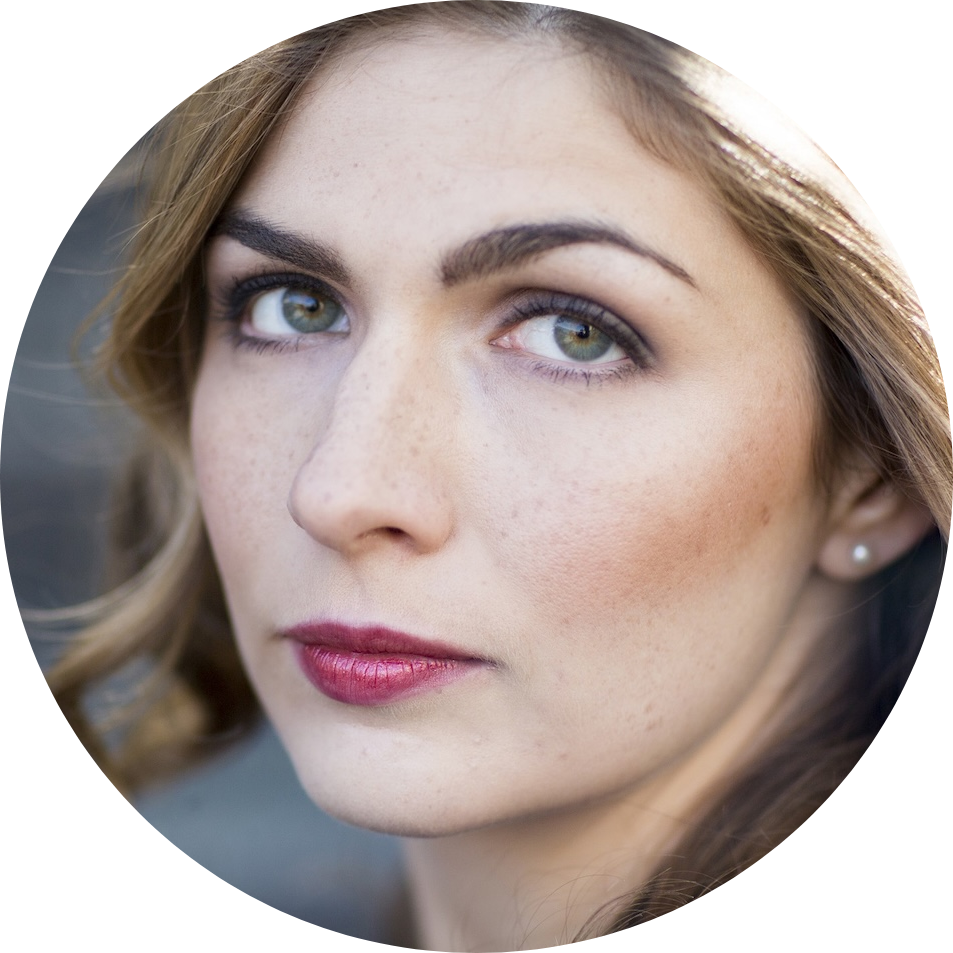
Cordelia Williams is a concert pianist and recording artist, recognised for the conviction and depth of her interpretations. She has performed all over the world and broadcasts regularly for BBC Radio 3. She studied Theology at Clare College, Cambridge and is a current recipient of the McDonald-Agape Fellowship in Music and Theology.




Tamsin Waley-Cohen discusses the myth of “bouncing back” after having a baby.