Work that reflects on resilience in challenging times
In Max Richter’s Possible Futures, the composer explores crisis, human connection and renewal, offering an optimistic vision even in dark times.
Seventy-five years ago, the Festival of Britain galvanised the nation, using art, science, technology and design to imagine a brighter future after World War Two. Taking place from May to September 1951, it transformed the South Bank from a bomb-scarred riverside into a thriving cultural hub.
Today, three-quarters of a century later, the Southbank Centre continues that legacy, welcoming over 3.7 million visitors in 2024.
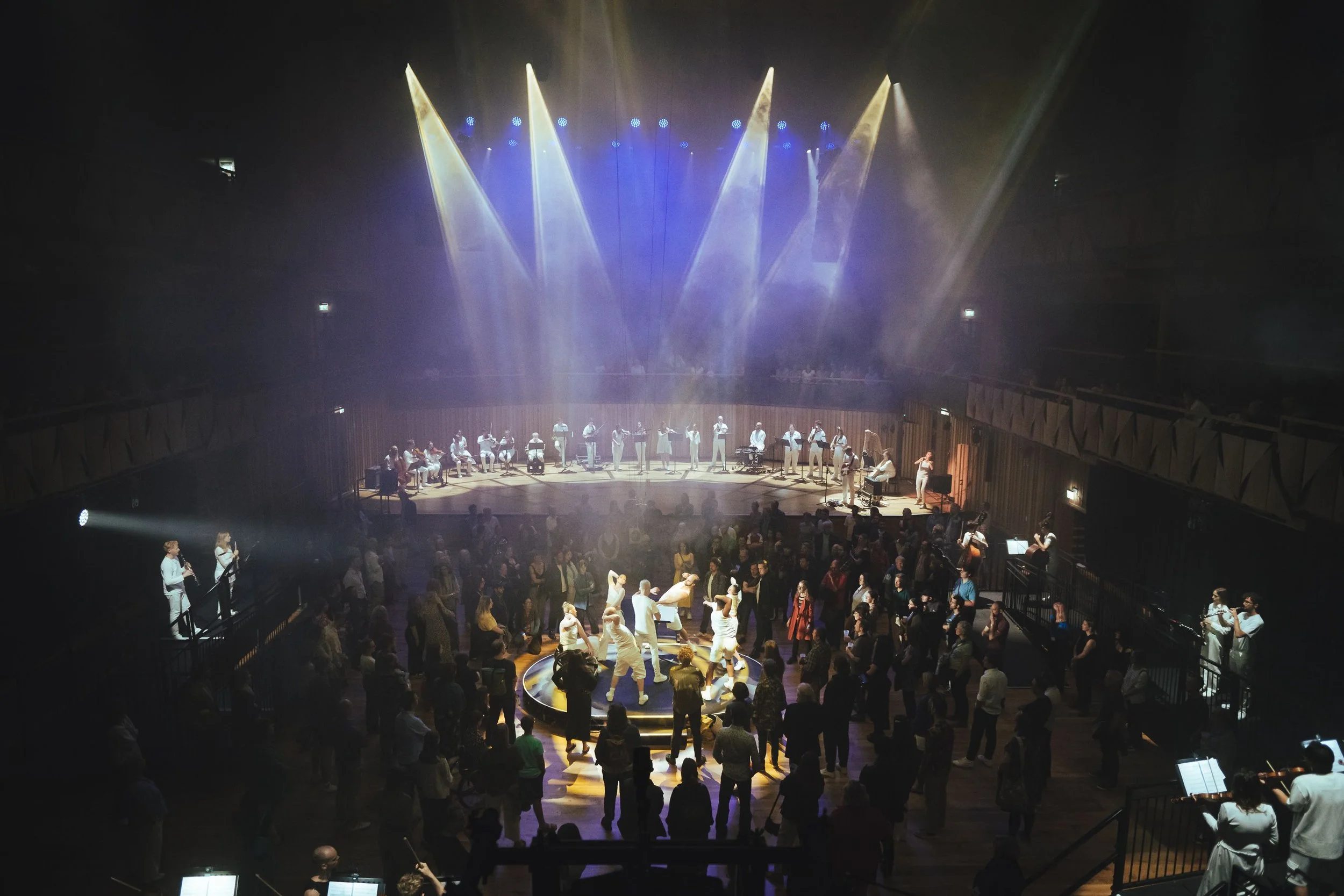
The first half of the concert, performed by Max Richter and the Philharmonia Orchestra under the baton of Matthew Lynch, is VOICES (2017), a co-creation with Richter’s creative partner Yulia Mahr. The work reflects on the enduring impact of the Universal Declaration of Human Rights and how it can point a way toward a fairer, more humane world.
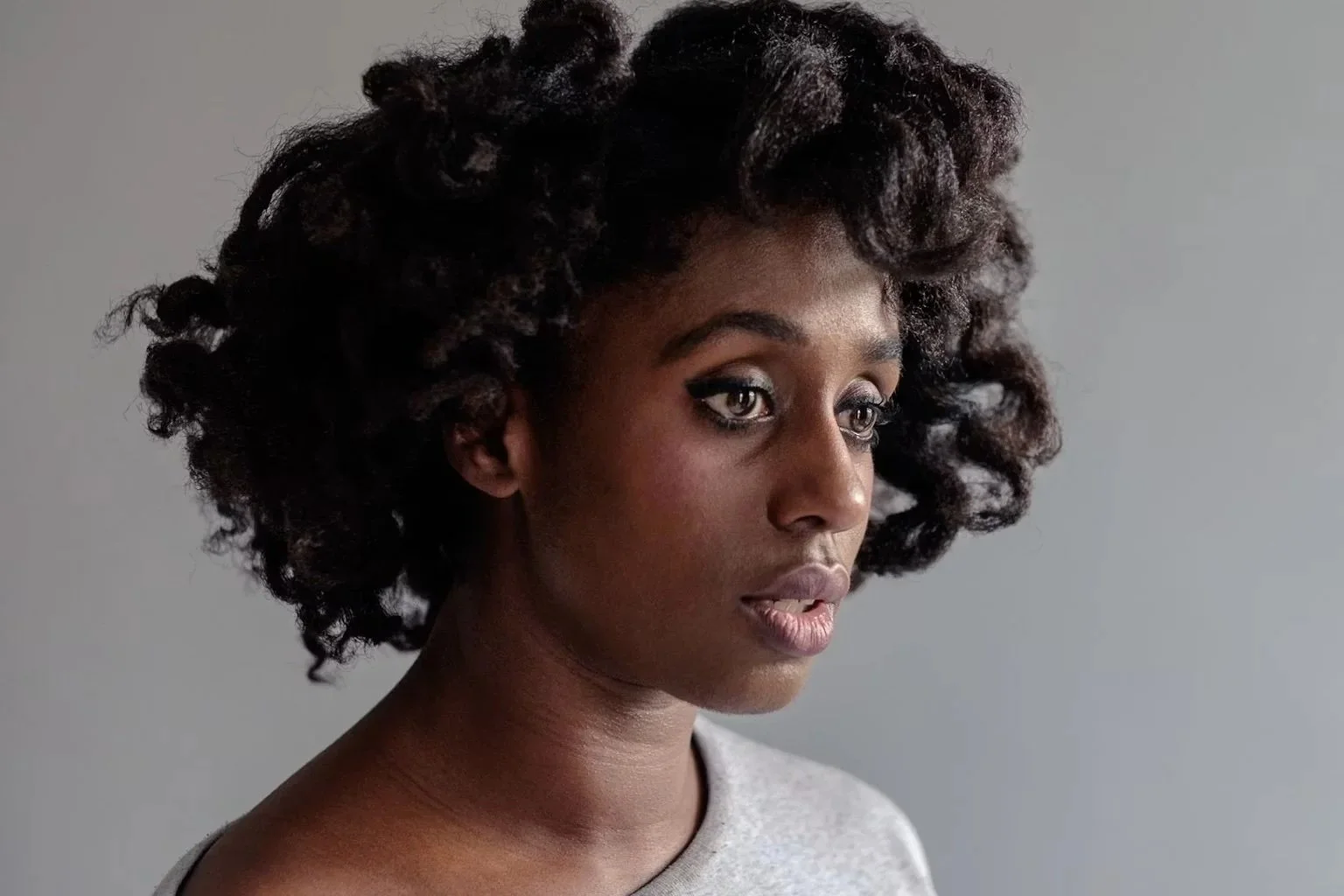
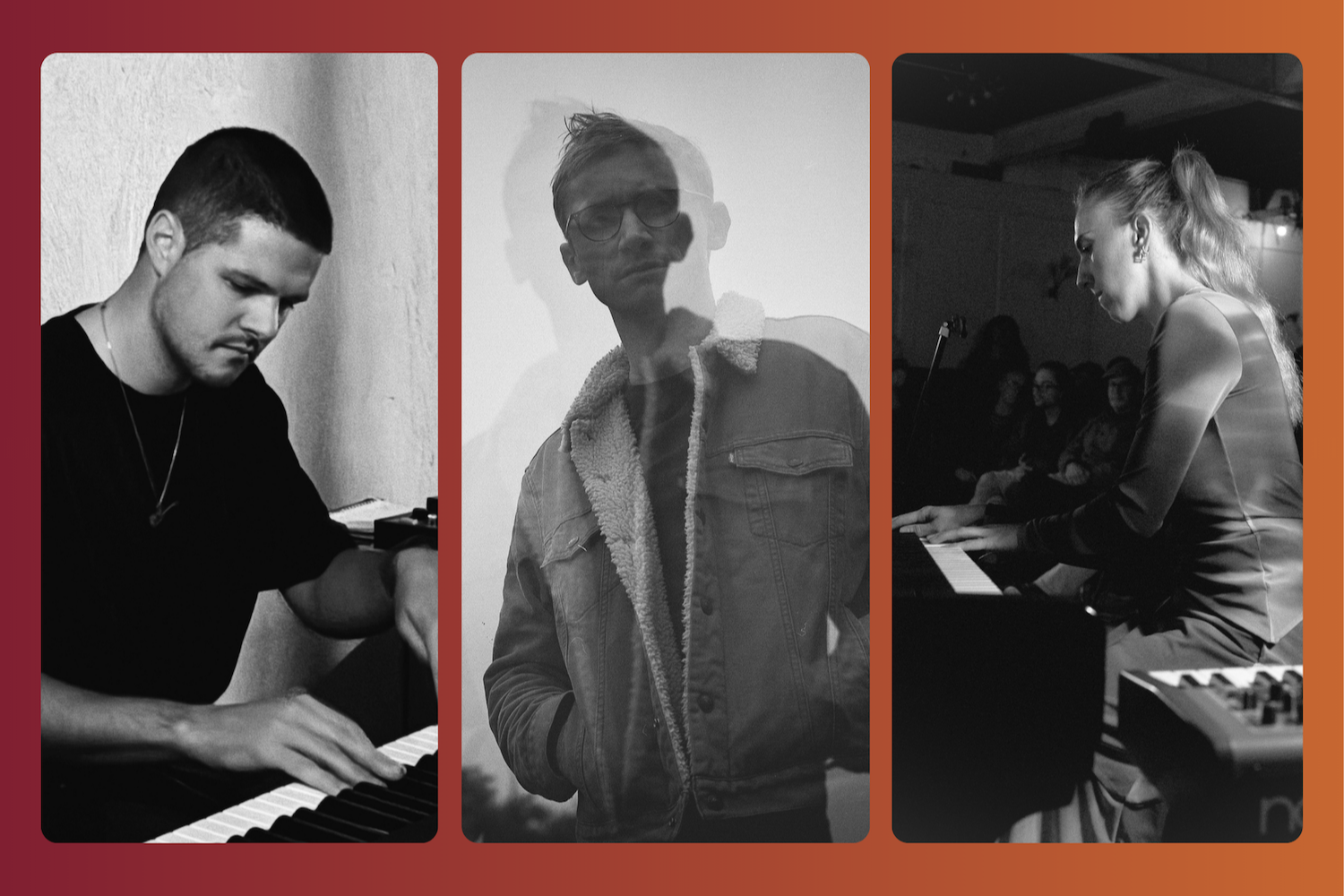
In the second half, Richter hands the reins to the many talented musicians performing his work. The programme continues with a new piece by the Mercury Prize-nominated and Ivors Academy Award-winning composer Cassie Kinoshi, commissioned by Studio Richter Mahr in collaboration with the Southbank Centre.
‘November’, from Richter’s album Memoryhouse (2002), is a meditation on the geopolitics of the 20th century. Selections from his score of My Brilliant Friend offer a double portrait of the twin protagonists of that novel.
‘Infra 5’, from Richter’s first ballet collaboration with Wayne McGregor, marks a crisis-catharsis, a kind of ‘in memoriam’ to the events of 7/7 in London.
The concert concludes with material from Richter’s latest project with McGregor, the ballet Maddaddam, based on writer Margaret Atwood’s trilogy, which charts a path from dystopia toward a brighter possible future.